Looking for public hunting land in Texas? Start by choosing a hunting area, checking its current unit map, and finding out which access and permits your trip requires. Walk-in opportunities and drawn hunts follow different processes, and the rules for one property should not be carried over to another.
This guide brings together our first-hand notes from Sam Houston National Forest, Caddo National Grasslands, Twin Buttes near San Angelo, and other Texas trips. Use the official planning links to check current requirements, then use our field reports to compare the terrain, camping experience, and kind of trip you want to make.
Planning information checked November 1, 2026. The field reports below describe earlier trips, including visits in 2018, 2019, and 2023. They are personal observations, not a current list of permitted weapons, open dates, or harvest rules.
In this guide
- Find land and download the official maps
- Understand permits and drawn hunts
- Compare places we have visited
- Read our first-hand trip reports
- Public-land hunting questions
- Trip checklist and related stories
How to find public hunting land in Texas
A place name is only the beginning. A lake, forest, or wildlife management area can include several units with different boundaries and access points. A promising patch on a general map is not enough to plan a hunt.
- Find the exact unit. Open the TPWD Area/Legal Game Search and search by area or game. Use the unit name and number when saving your planning notes.
- Save the current map. Read the Legal Game box, access information, and any special notices for that unit. Check the species, dates, and equipment you intend to use.
- Choose the right access process. Compare APH and walk-in opportunities with the drawn-hunt catalog. Some opportunities require advance selection rather than simply showing up.
- Check again before leaving. Review the Outdoor Annual and current land-manager notices. Save the map for use where cell service is poor.
For nearby options, compare the map locations with your starting point and realistic drive time. From Austin, we have made both short bird-hunting outings and longer overnight trips. The closest place is not always the best match for the game, equipment, and amount of time you have.
APH permits, walk-in access, and drawn hunts
What does an Annual Public Hunting Permit cover?
TPWD lists the Annual Public Hunting (APH) Permit at $48 for the 2026–27 program. It provides hunting access to participating lands, subject to each unit’s rules. A valid hunting license and required stamp endorsements are additional requirements. The $12 Limited Public Use (LPU) Permit does not authorize hunting. See TPWD’s current APH/LPU information for details and age-specific requirements.
“Walk-in” does not mean unrestricted entry every day or permission to take every species. For each trip, check the unit’s Legal Game box and any registration instructions. TPWD’s public hunting reminders and rules explain on-site registration and the additional requirements on U.S. Forest Service hunting units.
How are drawn hunts different?
Drawn hunts use an application and selection process for a particular hunt. Start with the current TPWD catalog, choose a category or location, and check the deadline, hunt dates, application conditions, and permit requirements for that listing. Do not plan around an old article’s application calendar.
Application charges and permit charges are separate, and they vary by category. Use TPWD’s application and permit fee guide for the categories you are considering. When comparing odds or harvest results, look for statistics for that particular hunt and year rather than treating one percentage as typical of all Texas drawn hunts.
Places we have hunted and scouted
These are places from our own reports. The observations can help you compare trips; the planning links are where to check present-day access.
| Place | Our experience | Official planning |
|---|---|---|
| Sam Houston National Forest | Camping, thick woods, trails, and repeated scouting trips. | Sam Houston WMA hunting |
| Caddo National Grasslands | Two trips; hog and doe sightings; woodland, open ground, and varied camping. | Caddo Grasslands WMA |
| Twin Buttes near San Angelo | Repeat visits with town lodging and daily drives to the hunting ground. | Twin Buttes unit 502 map (PDF) |
| Waco / Pipeline Road | Historical scouting report only; the exact current unit has not been confirmed. | Verify a current unit before visiting |
Sam Houston National Forest: our trips
Our first trip to Sam Houston was in 2018, near the end of deer season. We did not see much game, but it was still a good place to camp and explore on foot. Some of the woods were very thick; other stretches had trails and more open ground for scouting.
On our second trip in 2019, I briefly got a deer in my scope. We also covered more ground and pushed farther into the woods. That was part of the attraction: even a trip without a harvest helped us learn the area. Our earlier notes record a 2023 doe permit and getting within about 50 yards of a doe before opening day.
The ground we visited could feel busy during hunting season. For our trips, the work was in walking, learning the terrain, and finding a place away from the easiest access. Those observations describe our visits; they do not establish today’s hunting pressure or guarantee a result.
For a new visit, begin with the official Sam Houston WMA hunting page and the current unit map. Check the relevant deer rules, any special permit requirements, and registration before choosing equipment or dates.
Caddo National Grasslands: woodland, grassland, and camping
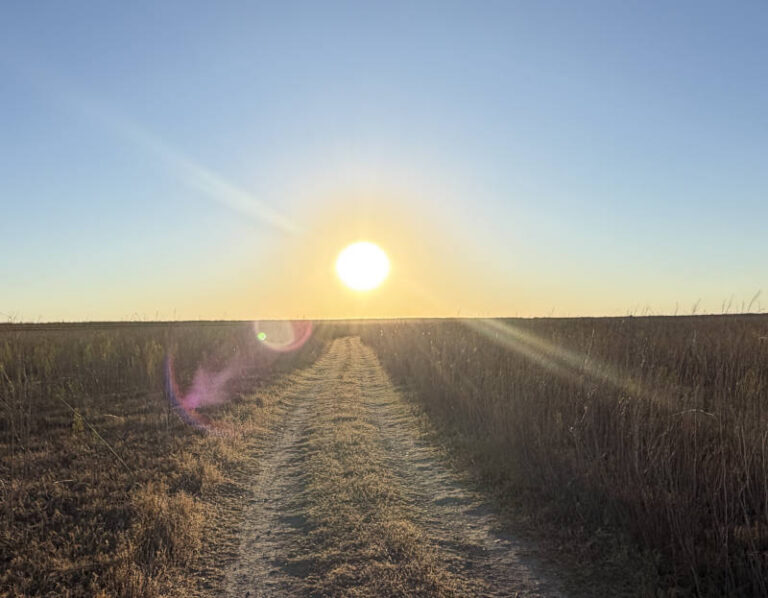
I made two trips to the Grasslands and saw plenty of hogs and does, but no bucks on those visits. We explored both open grassland with patches of woods and much thicker wooded ground. The variety made it an interesting place to scout, even when the animals we saw did not lead to a harvest.
Camping was part of the experience. On our visits, the developed lakeside sites were quiet, while the free, primitive places had a few other campers. Facilities differed between sites, so I would choose the camping arrangement separately from the hunting location instead of assuming the nearest site has everything needed.
We also encountered cattle, including small animals in the woods that could be easy to misread at a glance. It was a useful reminder to identify an animal carefully rather than reacting to movement in cover.
TPWD identifies the Grasslands’ Bois d’Arc Creek and Ladonia units separately. This is Caddo National Grasslands, not Caddo Lake WMA. Use the Caddo National Grasslands WMA information and the matching current unit map. Check the current Legal Game box for the unit and season, including any antlerless-deer permit requirements.
Twin Buttes Reservoir near San Angelo
We have made several trips to the San Angelo area, and it became one of our favorite hunting destinations. I stayed in an inexpensive motel a few blocks from the entertainment district and drove to the hunting ground each day. Having a town nearby made the overnight trips easy to combine with a meal and a little exploring.
Across those visits, I saw white-tailed deer, one axis deer, two live blackbuck, rabbits, and several dead blackbuck, but no hogs. Those are sightings from our trips, not a promise of what is present now or what may legally be taken.
The 2026–27 Twin Buttes PHL map, unit 502 (PDF), shows separate compartments and archery-only areas. It also lists restrictions on centerfire/rimfire rifles and pistols and requires daily registration. Read the complete Legal Game box for the species and compartment you plan to visit; a reservoir-wide weapon or season shortcut misses important differences.
For the longer account, read our San Angelo public hunting trip report.

Waco / Pipeline Road: a historical field report
On my first bow-season trip to the place I described as Pipeline Road near Waco, I was the only hunter I encountered and got within about 75 yards of a good-sized doe. On a second visit I saw no deer, but around 20 other hunters and a few armadillos. The ground had a mix of open spaces, woods, ponds, and creeks that were not too thick.
The exact current public-hunting unit and access have not been confirmed. Treat this as a memory of past trips. It is not a verified set of directions or access rules for a new hunt. Identify an open unit in the current TPWD area search before planning a new trip.
Other hunting trips and ideas
Dove and teal outings
We have made dove-hunting trips around Austin and had a few shots at Lake Granger. Our notes from those outings were practical: more time on the skeet range and some decoys were on the wish list. For a different kind of bird hunt, read our first early-teal-season trip.
A coastal camping trip also left an impression: on one visit I drove several miles down the beach before finding a tent spot among the other campers. That camping memory does not establish hunting access. Padre Island National Seashore has its own National Park Service rules and hunting restrictions; beach access should never be treated as permission to hunt the whole island.
Drawn-hunt ideas near Austin and farther afield
When I began applying for Texas hunts, Panhandle pronghorn opportunities caught my attention. So did shorter drives from Austin, including the Pedernales Falls and Guadalupe River areas. Those were interests in our original notes, not a list of hunts currently open for applications. Compare this season’s catalog entries and hunt methods before deciding which applications suit the trip you want.
Questions about hunting Texas public land
Can you hunt public land without winning a draw?
Yes. The APH/walk-in program includes opportunities that do not require winning a special draw. Check the individual listing: a property can have walk-in opportunities for some game and separate selection requirements for another hunt.
Is public hunting land free?
Public access does not mean a hunt has no cost. Depending on the property and opportunity, you may need a license, endorsements, an access permit, or a drawn-hunt permit. Camping and travel can add costs too. Read the requirements for the exact hunt instead of assuming one permit covers every public property.
Where can you hunt hogs on public land?
Look for feral hogs in the unit’s Legal Game box, then check its dates and methods. Public-land hog hunting is not an unrestricted, year-round exception to area rules. TPWD’s public hunting FAQ explains restrictions including daylight hours and unit-specific rules for equipment, baiting, and dogs. Our hog-hunting field reports offer more of our own experience.
What about private ranches?
Private ranches are a different option when public access does not fit your plans. Ask the landowner or outfitter exactly what the price includes, what game is available, how the hunt is conducted, and which licenses and rules apply. Costs and conditions vary with the property and the kind of hunt, so get the details before booking.
Our hunting-trip checklist
Our original packing list has grown out of camping and hunting trips. Adjust it for your location, weather, and the rules of the property:
- Current unit map, access instructions, license, required permits/endorsements, and hunter-education documentation.
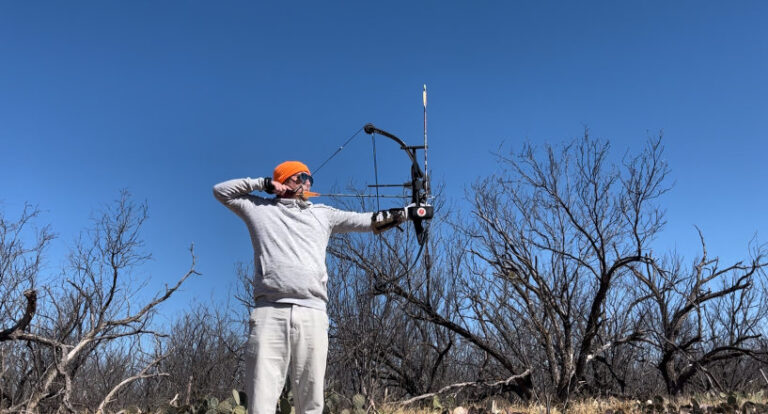
- Permitted hunting equipment, suitable ammunition, and a range session before the trip.
- Weather-appropriate clothes, footwear, and required hunter orange.
- Water, food, coolers, navigation, a first-aid kit, and a way to tell someone your plans.
- Tent or lodging reservation, sleeping gear, lights, batteries, and a legal cooking setup.
- Knives, game-care supplies, camera gear, toilet paper, and bags to pack out your trash.
More of our Texas hunting stories
- San Angelo public hunting trip report
- Hog hunting in Texas: our field reports
- Our first early-teal-season trip
- 2023 hunting-season journal (archive)
- 2024–25 hunting-season journal (archive)
Official planning sources
Map, permit, and planning links were reviewed on November 1, 2026. Recheck the current official pages before each trip; the personal reports above remain accounts of earlier visits.